02 November 2026
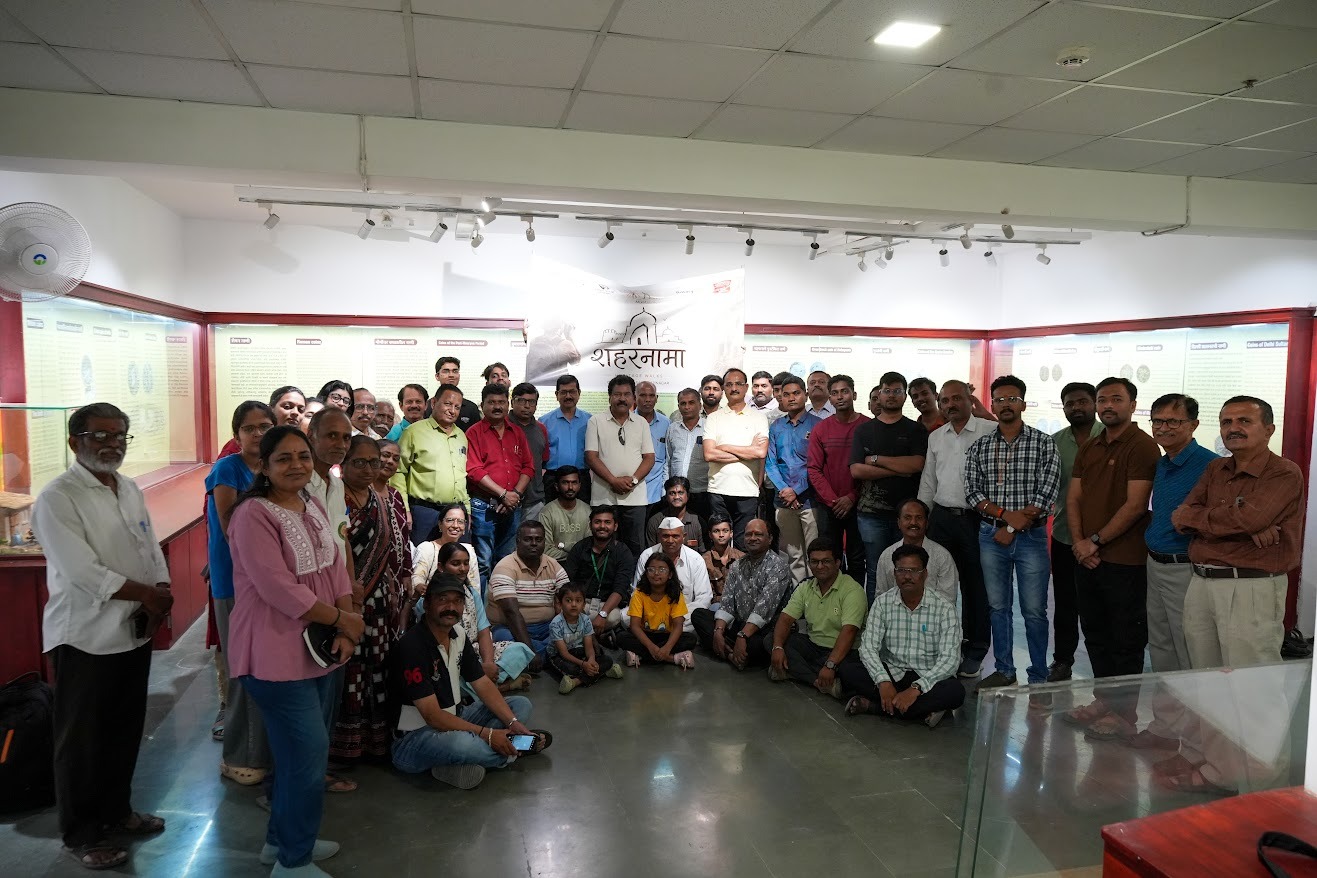
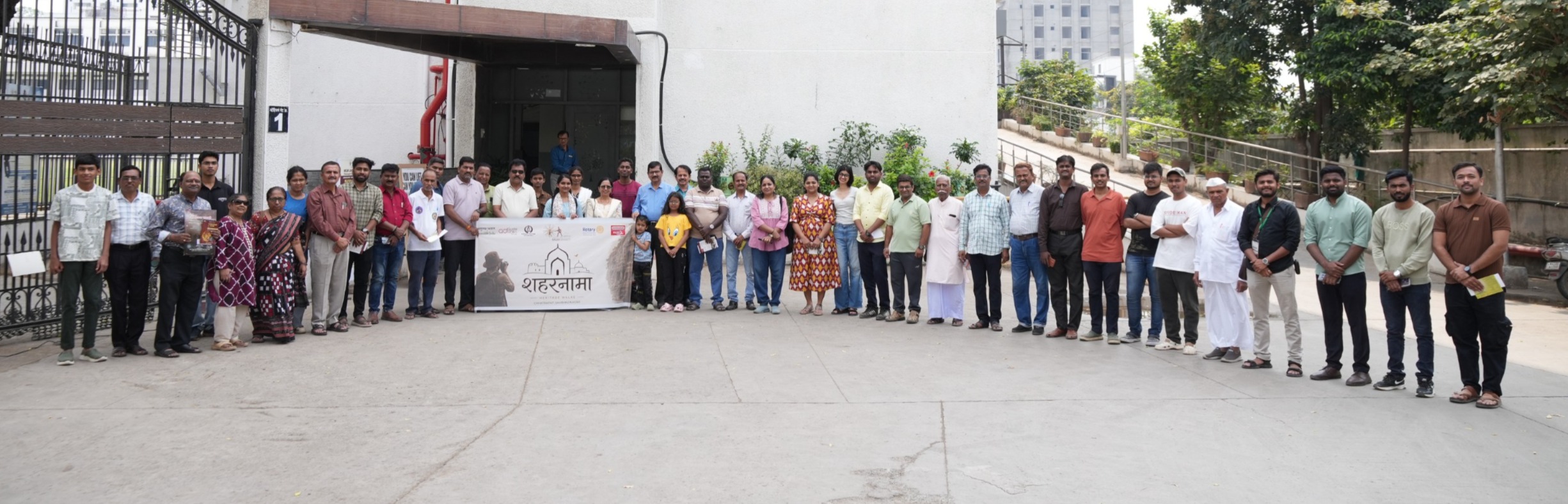
Chhatrapati Sambhajinagar, November 2: Coins are not merely instruments of financial transactions but also valuable historical sources that reflect the political powers, culture, trade and social life of their respective periods. A heritage walk offering insights into approximately 2,600 years of Indian history through coins was organised at the Annasaheb Takalgavhankar Coin Museum (Coin Gallery) at MGM University.
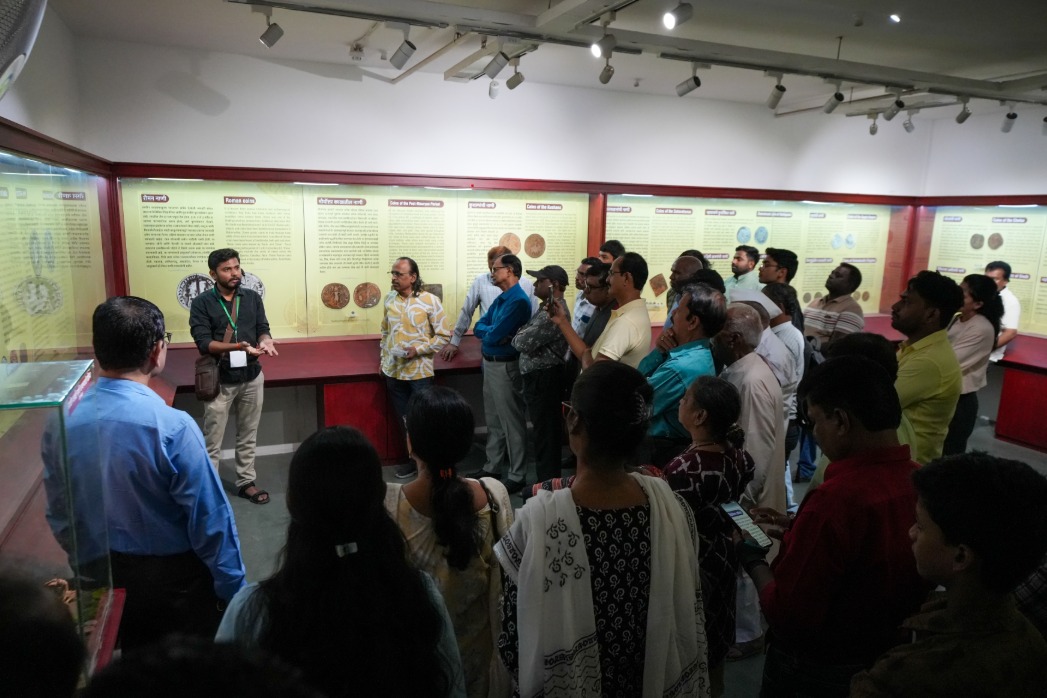
The initiative was jointly organised by the Department of History and Archaeology, MGM University; Aakhyan Foundation; Garware Community Centre; AdGuide Media Pvt. Ltd.; the Ministry of Tourism, Government of India; and Team ‘Shaharnama’. Archaeologist Prof. Ashutosh Patil presented the fascinating historical journey of coins in an engaging manner.
He explained that during the early stages of human civilisation, commodities such as goods, animals, grains, cowrie shells and animal skins were used as mediums of exchange. Subsequently, metals began to be used as currency, and coins emerged in India during the sixth century BCE. He also highlighted that ancient Indian silver coins featured various nature-inspired symbols, including animals, birds, trees, the moon and the sun.
Further elaborating on the subject, Prof. Patil traced the history of Indo-Greek, Roman, Mauryan, Kushan, Gupta, Satavahana, Chola, Vijayanagara, Maratha-era, Mughal and British-era coins. He explained how rulers used coins to assert their power and establish their cultural identity. The Shivrai coins issued during the reign of Chhatrapati Shivaji Maharaj remained in circulation in Maharashtra until 1950. Satavahana queen Naganika issued coins bearing her own name, while Mahmud of Ghazni issued coins featuring the Devanagari script. The Adil Shahi coin known as ‘Lari’ entered India through maritime trade, while Emperor Jahangir commissioned a gold coin weighing approximately 12 kilograms as a ceremonial gift. He also informed the participants that the Kushan rulers were the first to issue gold coins in India.
The heritage walk witnessed participation from people across different age groups, along with international tourists. Following the walk, the Dr. A. P. J. Abdul Kalam Aerospace Science Centre and Club of MGM provided an opportunity for participants to observe the Sun through a telescope. The solar observation activity, held at 12 noon, witnessed enthusiastic participation from children and other visitors.
The event was attended by Sunil Sutwane, Director, Garware Community Centre; Ramakant Rautalle; Om Pardeshi of AdGuide Media; Shrinivas Aundhkar; Sanjay Takalgavhankar; and Pravin Deshmukh of MGM. Ashok Kshirsagar, Neha Khandalkar and Yogesh Sali from the Aerospace Science Centre extended their support in conducting the solar observation activity.
--------------------------------------
शहरनामा’तर्फे नाण्यांच्या संग्रहालयात हेरिटेज वॉक; उलगडला २६०० वर्षांचा इतिहास
छत्रपती संभाजीनगर, दि. २ : नाणी ही केवळ आर्थिक व्यवहाराचे साधन नसून तत्कालीन राजसत्ता, संस्कृती, व्यापार आणि सामाजिक जीवनाचा इतिहास सांगणारी महत्त्वपूर्ण साधने आहेत. याच नाण्यांच्या माध्यमातून भारताचा सुमारे २६०० वर्षांचा इतिहास उलगडणारा हेरिटेज वॉक महात्मा गांधी मिशन विद्यापीठातील अण्णासाहेब टाकळगव्हाणकर नाण्यांच्या संग्रहालयात (कॉइन गॅलरी) आयोजित करण्यात आला.
महात्मा गांधी मिशन विद्यापीठाचा इतिहास व पुरातत्त्व विभाग, आख्यान फाउंडेशन, गरवारे कम्युनिटी सेंटर, अॅडगाइड मीडिया प्रा. लि., केंद्रीय पर्यटन विभाग आणि टीम ‘शहरनामा’ यांच्या संयुक्त विद्यमाने हा उपक्रम घेण्यात आला. पुरातत्त्वज्ञ प्रा. आशुतोष पाटील यांनी नाण्यांचा ऐतिहासिक प्रवास रंजक पद्धतीने उलगडला.
मानवी व्यवहाराच्या सुरुवातीच्या काळात वस्तू, प्राणी, धान्य, कवड्या आणि प्राण्यांची चामडी यांचा विनिमयासाठी वापर होत असे. पुढे धातूचा चलन म्हणून वापर सुरू झाला आणि इ.स.पूर्व सहाव्या शतकात भारतात नाण्यांचा उदय झाला. भारतातील प्राचीन चांदीच्या नाण्यांवर प्राणी, पक्षी, झाडे, चंद्र, सूर्य यांसारखी निसर्गाशी संबंधित चिन्हे आढळतात, असे प्रा. पाटील यांनी सांगितले.
पुढे बोलताना प्रा. पाटील यांनी इंडो-ग्रीक, रोमन, मौर्य, कुशाण, गुप्त, सातवाहन, चोल, विजयनगर, शिवकालीन, मुघल आणि ब्रिटिशकालीन नाण्यांचा इतिहास उलगडला. राजे नाण्यांच्या माध्यमातून आपले सामर्थ्य आणि सांस्कृतिक ओळख अधोरेखित करत असत. छत्रपती शिवाजी महाराजांची शिवराई नाणी १९५० पर्यंत महाराष्ट्रात चलनात होती. सातवाहन राणी नागनिकेने स्वतःच्या नावाने नाणी पाडली, तर मोहम्मद गझनीने देवनागरी लिपीचा वापर केलेली नाणी जारी केली. आदिलशहाचे ‘लारी’ नाणे समुद्री व्यापारातून भारतात आले, तर जहांगीरने सुमारे १२ किलो वजनाचे सोन्याचे नाणे नजराण्यासाठी तयार करवून घेतले होते. भारतात सर्वप्रथम सोन्याची नाणी कुशाण राजांनी पाडल्याची माहितीही त्यांनी दिली.
या हेरिटेज वॉकमध्ये सर्व वयोगटांतील नागरिकांसह परदेशी पर्यटकांनी सहभाग घेतला. यानंतर एमजीएमच्या डॉ. ए.पी.जे. अब्दुल कलाम ॲस्ट्रोस्पेस सायन्स सेंटर अँड क्लबच्या वतीने दुर्बिणीतून सूर्यदर्शनाची संधी देण्यात आली. दुपारी १२ वाजता झालेल्या या उपक्रमात लहान मुलांसह उपस्थितांनी उत्साहाने सहभाग घेतला.
यावेळी गरवारे कम्युनिटी सेंटरचे संचालक सुनील सुतवणे, रमाकांत रौतल्ले, अॅडगाइड मीडियाचे ओम परदेशी, श्रीनिवास औंधकर, संजय टाकळगव्हाणकर, एमजीएमचे प्रवीण देशमुख उपस्थित होते. तसेच अंतराळ विज्ञान केंद्राचे अशोक क्षीरसागर, नेहा खंडाळकर आणि योगेश साळी यांनी सूर्यदर्शन उपक्रमासाठी सहकार्य केले.